 A lot of people (particularly on Pinterest and Instagram) frequently say things like, “I’d love to make this when I have the time.” I get the feeling, I really do. Especially in this world where we feel the need to keep up with everything that’s going on around us, the act of making can start to feel like it’s a time pressure. Then there’s the need to make every single little thing, from your homemade yogurt and gluten-free sourdough starter (guilty) to your soap (guilty again) to your sweaters (super guilty).
As the website pinterestfail.com so adeptly illustrates, making isn’t always as easy as it looks in glossy images in magazines or on the internet. Making takes time, skill, patience, and sometimes, luck. So if it’s so hard, why make things? For me, it’s part of an essential human drive. I grew up around making, and so I make. I watched as other people around me made curtains, sewed clothes, canned jam, and reupholstered furniture. I knew it was possible to make the things I wanted, and so I did. As I got more and more into making, particularly knitting, I found myself getting into “flow states” where time changed. When I make, I relax. Fidgets and anxieties ease. Dramas are less important. Distractions slip away. All that exists for me is the thing I’m making. But what about all the time it takes? In just a few words, it’s worth it. It’s worth it for my sanity, for the joy it brings me, for the thing I make (whether it ends up being a successful project or not). So I make time. At first, it’s not so easy to do. Where to find the time to make when there are so many other important things to do? A creature of routine and habit, I make it a habit to make, so that time for making gets folded into my day just like showering and eating. I’ll be the first to admit that creating these habits can be difficult, especially at the beginning. It takes patience and practice and persistence to try and try again. And when one habit doesn’t work, it takes effort to try something a little different. The phrase may be a little worn, but if you want to have time for something, you’ve got to make the time. It’s something I struggle with constantly, as I’m often impatient to move on to the next thing, and the next. But every time I make time for something valuable to me, I come away with nothing but gratitude for having made that time. What I get out of it is so much more than just the time spent making. Besides the thing I’ve made, I have the satisfaction of creating, of experimenting, of playing. And that keeps me coming back to making, in all its many forms, again and again and again. How long can you really wear a piece of clothing? So, it seems that the Huffington Post has picked up on Slow Fashion October, in its own way. Two reporters, one male and one female, wore the same outfit to work for a week. Both had a few awkward encounters where people noticed, but for the most part, no one was paying attention to what they wore. And, they noticed that they didn't really smell when wearing the same outfit. Just some food for thought this Friday. Hope everyone is headed for a relaxing fall weekend! xx,
Pamela
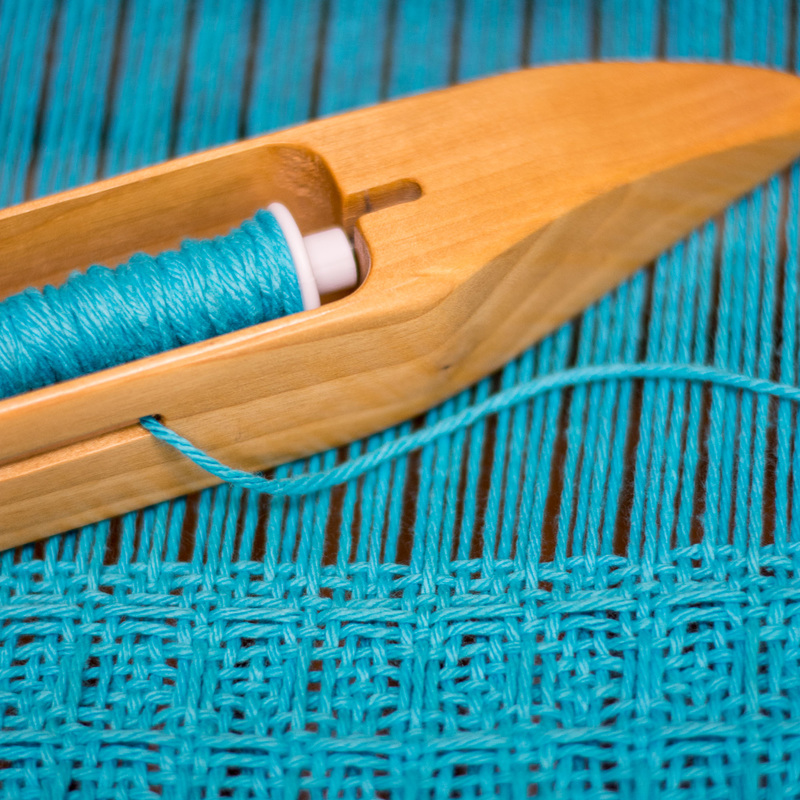
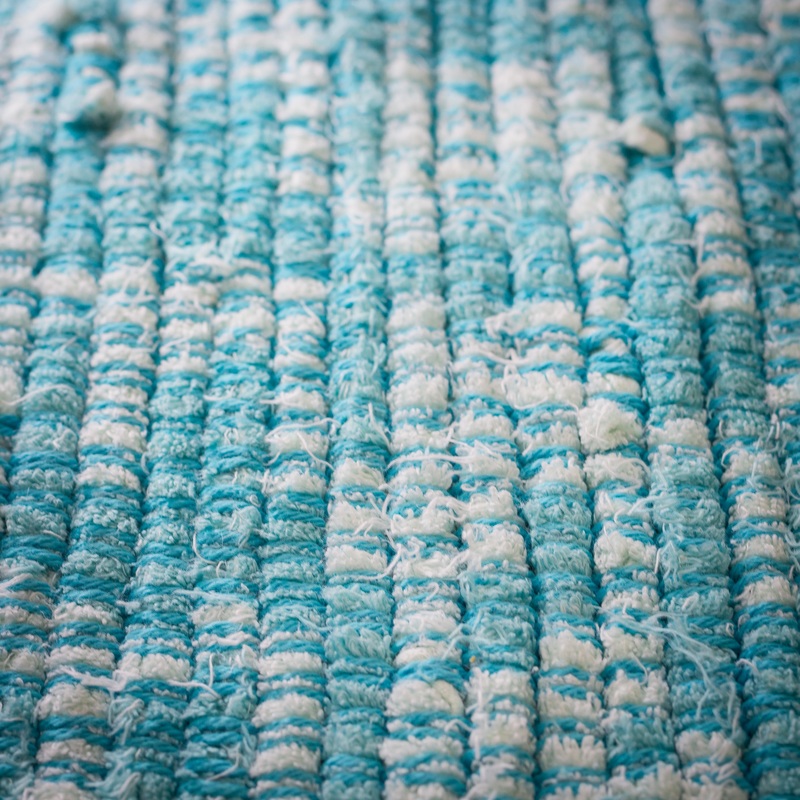
This Slow Fashion October, I’ve made a commitment to a different kind of closet: instead of focusing on my clothes, this year I’m focusing on my linen closet. I realized that I’m not terribly interested in my clothes this year, but that I am intrigued by textiles, sustainability, and making the most of the textiles already on this earth, especially the ones under my own roof. It’s slowly dawned on me that I’m not doing too much good when I donate my old clothes and worn out bath towels to secondhand stores. The first time I realized no one wanted my clothes was when I was (humiliatingly) turned down for selling my clothes and shoes to a consignment store. All the clothes were too “last season” or too worn for them to take, they said. It’s true, I do often wear my clothes until they can’t be worn anymore, but these were nice clothes and shoes being turned down. If my best is still not good enough for someone else to buy, then what? The fantastic article “No One Wants Your Old Clothes” gives a more thorough explanation of why thrift stores aren’t the solution for our old clothes. So what does this have to do with my linen closet? Well, blankets and towels and curtains and sheets are textiles too. When they’re sent to thrift stores or landfills, the same economic and environmental issues apply. Lately, I’ve felt the “holes” in my linen closet. My towels are starting to look shabby. I have exactly zero bath mats. The blankets for our guest bed clash with the paint scheme of our new rental house. Basically, I’m ready for a linen closet overhaul, and I want to do it as ethically and sustainably as I can. Not too confident in my sewing skills or what to do with old duvet covers, I started with my yarn stash, weaving some dish towels for my kitchen. I have a stack of dish towels, but none of them match each other or anything else in my kitchen. And, since I’ve used them to wipe up spills of all kinds for the last six years, they’re stained and ratty. I wove a test piece that I thought would make two dish towels, but it’s only enough for one with some waste. Plus, I didn’t make it easy for myself to hem the cloth. It’s a waffle weave that is quite thick and textured and will make a very bulky hem. So instead of making dish towels out of the test piece, I’ll make a reusable grocery bag. Next up, I corrected my error with the first set of towels by weaving a plain weave hem for the next three towels. These are currently awaiting finishing, and I’m excited for fresh new dish towels that actually match my kitchen. At the end of the warp, I wanted to try an experiment. For all you non-weavers, the end of the warp is where weavers try out new ideas and techniques. I took a bath towel we bought this summer, but that I never liked much. I cut it into 1-inch strips and wove it into the fluffiest rag rug ever. So, from an 8-yard warp, yarn already in my stash, and an old, unwanted bath towel, I’m getting three new dish towels, a new reusable shopping tote, and a rug. I have to say, I’m most excited about the rug. It turned a towel I didn’t much care for into an object I can use and that I actually like. I’m so excited about it that I’m dying to make more. After all, I still need bathmats for my new house. But. Before I cut up all the old textiles I don’t like anymore, I’m testing out my new rug. Is it durable enough to withstand wear and tear in a high-traffic area of my home? Does it wash well? Are there any techniques I could use in the weaving next time to improve its durability? This approach, this mindfulness, is what Slow Fashion October is all about. Getting caught up in excitement is, well, exciting. But it’s not always the most productive behavior for me. It’s easy to get off-track and create more waste than I intended, and I’m working to curb that. By slowing down, I get a clearer picture of what it is that I really want. And since it’s so easy to end up with something that’s “just okay” when I hurry the decision, I’m enjoying this change, even if it means going without the things I want for just a little longer than I’m used to. xx,
Pamela 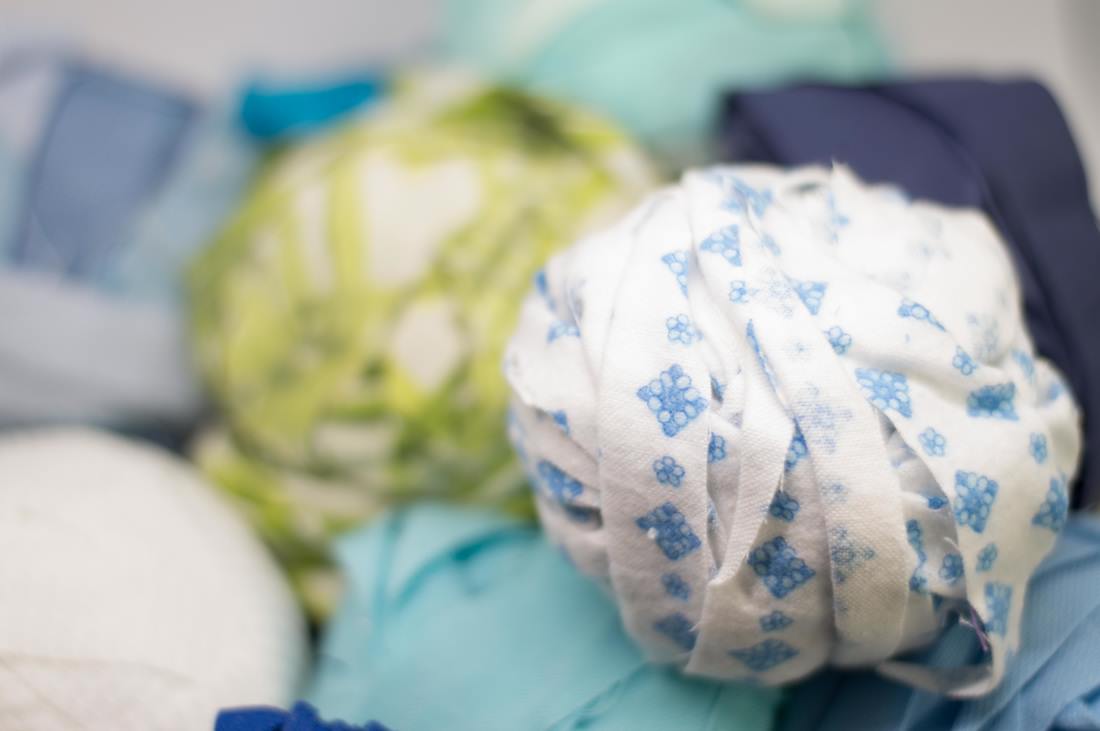 One of my favorite Dolly Parton songs is “Coat of Many Colors,” a song about how her mother sewed her a coat from rags given to her family. She was proud of her coat because her mother made it with love. The final verse of the song goes: Now I know we had no money But I was rich as I could be In my coat of many colors My momma made for me It’s a true story, and the original coat is on display at Dollywood. There’s so much love and tenderness in the song, but what fascinates me right now are the rags. The topic of waste is an important one to Slow Fashion October, and it’s one I’ve been thinking about a lot. Maybe it’s because I just moved, and moving unearths all the junk that accumulates in a house over the years. The experience has me trying to be more mindful of what I purchase, and has me looking at waste in a different light. I tend to wear clothes until they’re totally worn out, and would never expect anyone else to want them once they reach that state. So if sending things to the thrift store isn’t such a viable option, what to do with the clothing waste I generate? There seems to be a certain amount of waste that Western culture has grown comfortable with. It’s so ingrained, most people don’t even think about what happens to their pile of rags when they drop them off at the thrift store or dump them in the garbage bin. The article No One Wants Your Old Clothes is worth a read – it describes what really happens to old clothes once we think we’re done with them. The bottom line is this: thrift stores can’t possible resell all the donations they receive. Tons of old clothes are shipped off to third world markets where they depress existing textile economies, and clothes that get thrown into landfill contribute to greenhouse gases and leach harmful chemicals into the soil. Not pretty. We talk a lot about the waste associated with clothing, but as a crafter, there’s another aspect of waste. It’s easy to pat myself on the back for my DIY spirit and the fact that the few handmade clothes I have didn’t come from a factory. Don’t get me wrong, I think that’s an important step towards wasting less, but even in these pursuits, there’s a lot of waste that’s generated. When I knit, even if I use up every yard of yarn, there are still ends to weave in and snip off. When I spin yarn, there are neps and vegetable matter to be pick out. Not to mention snarls of unusable yarn when things go wrong. When I sew, there are scraps of fabric left on the cutting room floor, seams to be trimmed, threads to be snipped off. When I weave, there is “loom waste” built into every calculation – yarn that is used to attach the weaving to the loom and that can not be woven. My maternal grandmother, who grew up in the Great Depression and taught home economics for twenty years, could often shave as much as half a yard off what the pattern called for. Experience and necessity had taught her the most economical ways to use fabric. But there was still plenty of waste. She’d often tuck away scraps with a wink, saying “this could make a nice pocket.” Yet there were no scrap pockets. She was a long way off from the flour sack dresses and coats of many colors of the Great Depression, and understandably wanted the nicest looking clothes she could make. And when she stopped sewing and it was time for her to downsize to a retirement community, there were boxes and boxes of hoarded scraps. There has to be another way, somewhere between throwing things away and hoarding them, which really is its own kind of waste. The textile industry certainly is aware of waste, and has been working to cut down on waste for hundreds of years. After all, wasted fabric is a wasted investment, so any efforts to reduce waste are worth the time and effort.
One thing I’m really interested in is how I can use my rags, scraps, and textile waste myself, before it gets sent off to the dump. The reality is that the amount of waste I produce could probably never get sent to a shoddy mill, and yet, it seems so wasteful to send it to the dump. I’m experimenting with rag rugs this year, but I’m also interested in other ways to reduce my textile waste. My weaving teacher told me that weavers often make their own chenille yarn, and I’m interested in trying that. And while watching a spinning video, I realized that wool unsuitable to become yarn is great for quilt batting. Of course. It’s all about perspective and valuing your materials, even when they can’t be used for the main purpose of your project. It’s an ongoing journey, to be sure, and not the easiest one, at that. But like so many things about slow fashion, I think it’s worth it. xx,
Pamela 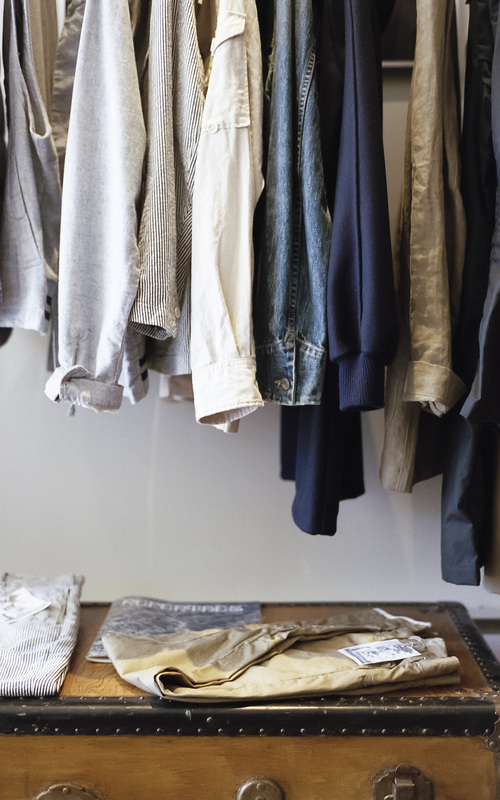 A few years ago, I helped some friends move into a new house. It was one of those cross-town moves where you grab a friend with a truck and spend a day shuttling things between houses. While the guys were moving furniture, the girls moved clothes and dishes. Stereotypical, maybe, but true. When we went into the house for the first time, I was struck by just how much closet space it had. But as we brought in load after load of clothes, I was a little bit sick at just how small the closets looked as they were filled to the brim. How could any one person use so many clothes? The answer was clear – she couldn’t – since fully half of the clothes still had the tags on them. I watched as she stuffed more and more clothes into the closet. She laughed when she said her husband would just have to deal with not having any closet space. That experience was eye-opening and also confusing for me. I knew there was no way I could want so many clothes, and I also struggled to understand how a seemingly rational and well-educated person could let their wardrobe get so out of hand. When I worked at a corporate desk job, a bigger wardrobe was a necessity. There were suits for the rare client visits, business casual for everyday, and comfortable clothes for after work and weekends. And with time pressures created by long hours, laundry was my biggest bottleneck, so naturally there were a few more items in my closet. Now, though, I have the luxury of setting my own hours and my own dress code. Instead of driving 30 minutes through smog and rush-hour traffic, I walk a mile to work through a quiet neighborhood. The “professional” wardrobe still lives in the back of my closet, but most days my comfortable clothes are also my work clothes. Laundry is still a chore, but no longer a bottleneck. When I made the transition from corporate to self-employed, I spent two months with only my favorite, most wearable clothes in my closet. Many of those clothes have been in my wardrobe for five years or more, and get worn every week or so, regardless of the season. These are the clothes you have a relationship with. The wool shirt Dad bought in the seventies. A favorite top from college. Your first and favorite business casual, machine-washable, wrinkle-resistant layering tank. If they’re made well, if they’re taken care of, clothes can last a very long time. I’m the first to admit I’m a creature of habit. I like the things – especially clothes – that feel familiar to me. When a favorite shirt tears and can’t be mended with my meager sewing skills, it feels like the loss of a dear friend. Actually, I really like the comparison of clothes to friends. I have a few close friends, just like I have a few favorite garments. If I take on too many of either, I feel guilty, as though there’s someone I’m neglecting, someone I don’t love enough. And, in both relationships, I’m in it for the long haul. If you haven’t guessed, I’m not one of those people who has 5,000 Facebook friends, just like I’m not the person who has a closet stuffed with unworn clothes. My closet has expanded again after my 2-month stint with 8 days worth of clothes. There are some friends like my totally impractical but delightful “sheepy jammies” that I’ve been thrilled to reunite with. There have been more cordial reunions, like with the business clothes I’m keeping “just in case.” Time has given me the distance to recognize some relationships with clothes that just weren’t working any more. The distance of time has helped me to let go of these clothes.* Now that my wardrobe is distilled down to the essentials (plus some), I’m eager to keep it that way. That’s fed into my decision to not get too caught up in Slow Fashion October as a making event, as much as I adore making. Instead, I’m using it as a time to reflect on my relationships with textiles. I'm really enjoying seeing the creative outpouring that is Slow Fashion October. If you haven’t heard about Slow Fashion October, be sure to check it out. A more detailed explanation of the whole shebang can be found here, or you can check out the hashtag #slowfashionoctober on Instagram. xx, Pamela *Just because I’m letting go of the clothes doesn’t mean I’m giving up on them entirely. They’re in a box in the garage waiting to be repurposed…something I’m taking my time on too. |
Archives
January 2024
Categories
All
|
 RSS Feed